
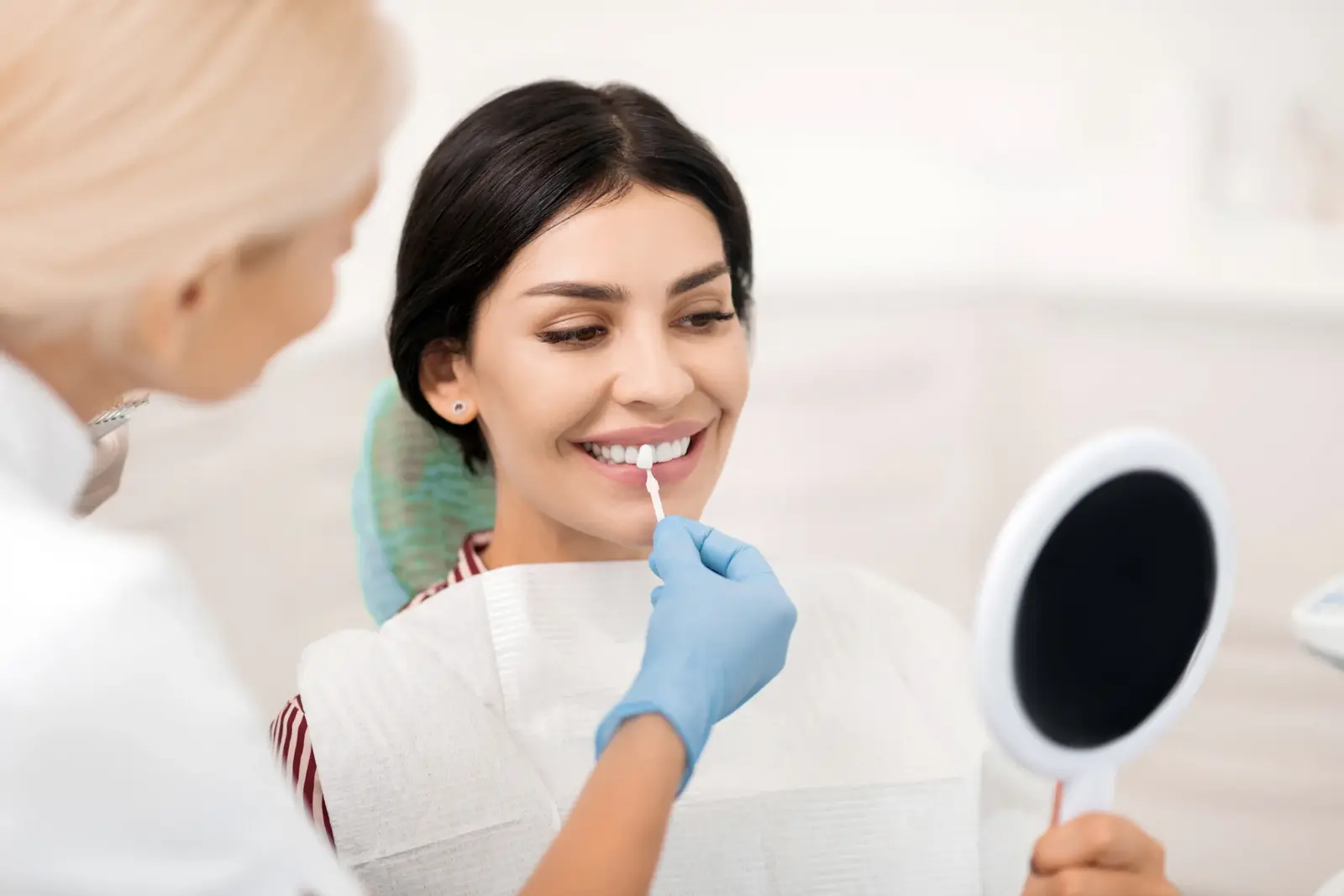
Composite vs Porcelain Veneers Perth: Which Smile Design Option Is Right For You?
Key Takeaways
- Porcelain veneers offer superior longevity (15-20 years) and stain resistance, while composite veneers provide affordability and same-day results with a shorter lifespan (5-7 years).
- Digital Smile Design technology at The Applecross Dentist allows patients to preview expected results before committing to either veneer type, ensuring satisfaction with the final outcome.
- The choice between porcelain and composite veneers should be personalized based on aesthetic goals, budget, lifestyle factors, and long-term dental health considerations.
Transform Your Smile: Expert Guide to Composite Veneers in Perth
Looking for a smile transformation that balances artistry with dental science? At The Applecross Dentist, we understand that choosing between composite veneers and porcelain veneers requires careful consideration of aesthetics, durability, and investment. As Perth’s leading cosmetic dental specialists, we’ve created this comprehensive guide to help you understand the key differences between these popular smile makeover options. Dr. Lily Taheri, Perth’s only dentist with Mastership certification in Digital Smile Design, combines her artistic background with advanced dental expertise to provide customized solutions for every patient. Whether you’re looking to address chipped teeth, discoloration, or gaps, this guide will help you determine which veneer option aligns with your smile goals, lifestyle, and budget.
Understanding Dental Veneers: Purpose and Applications
Dental veneers represent one of the most versatile cosmetic dental procedures available to patients seeking smile enhancements. These thin shells are custom-designed to cover the front surface of teeth, effectively transforming their appearance while preserving natural tooth structure. The primary purpose of dental veneers is to improve aesthetics while maintaining functionality.
Composite veneers in Perth have gained popularity for their ability to address multiple cosmetic concerns simultaneously. These versatile dental bonding materials can correct issues ranging from minor chips and cracks to more significant aesthetic concerns. Perth cosmetic dentists regularly recommend veneers for patients with discolored teeth resistant to whitening treatments, those with gaps between teeth (diastemas), misaligned teeth, irregularly shaped teeth, or worn-down teeth from grinding or acid erosion.
The appeal of veneers lies in their minimally invasive nature compared to other cosmetic dental procedures. While crowns require significant tooth reduction, veneers preserve much more of the natural tooth structure. At The Applecross Dentist, Dr. Taheri’s approach to smile makeover services emphasizes this conservative philosophy, ensuring patients maintain optimal oral health while achieving desired aesthetic improvements.
Digital Smile Design plays a crucial role in the veneer planning process, allowing Perth dental specialists to create a preview of the expected results. This technology enables patients to “test drive” their new smile before committing to treatment, ensuring alignment with their expectations and facial features. The digital approach also facilitates precise communication between dental technicians Perth-wide and the treating dentist, resulting in more predictable outcomes.
When considering veneers, patients should understand that while both composite and porcelain options serve similar purposes, their applications may differ based on specific clinical situations. Perth dental hygienists emphasize that proper candidate selection is essential for long-term success with either veneer type, with factors such as existing oral health, bite alignment, and parafunctional habits all influencing the recommendation.
Porcelain Veneers: The Gold Standard in Cosmetic Dentistry
Porcelain veneers represent the pinnacle of cosmetic dental solutions, crafted from high-grade dental ceramics that mimic the optical properties of natural tooth enamel. These thin shells are custom-fabricated in specialized dental laboratories by skilled dental technicians Perth patients trust for quality restorations. The material composition includes advanced ceramic formulations that provide exceptional strength while maintaining a lifelike translucency.
The application process for porcelain veneers typically requires two to three appointments. During the initial visit, Perth cosmetic dentists prepare the teeth by removing a minimal amount of enamel (typically 0.3-0.5mm) to accommodate the veneer thickness. Detailed impressions are then taken and sent to the laboratory, where dental materials experts craft each veneer to precise specifications. In the meantime, temporary veneers protect the prepared teeth. At the final appointment, the permanent veneers are bonded using specialized dental bonding materials that create a durable connection between the porcelain and natural tooth structure.
The advantages of porcelain veneers are numerous and compelling. Their exceptional durability makes them resistant to fractures and wear, with properly maintained veneers lasting 15-20 years. Aesthetically, they provide unparalleled results with a natural translucency that mimics tooth enamel. Perth dental prosthetists note that porcelain’s stain-resistant properties make these veneers highly resistant to discoloration from coffee, wine, and tobacco, maintaining their bright appearance for years.
However, porcelain veneers do present certain disadvantages. The cost is significantly higher than composite alternatives, with prices in Perth typically ranging from $1,500-$2,500 per tooth. The procedure is largely irreversible due to the necessary enamel removal. Additionally, the multi-appointment process extends the total treatment time, requiring patience from those seeking immediate results.
Despite these considerations, many cosmetic dental specialists consider porcelain veneers the gold standard for comprehensive smile makeovers. Their exceptional longevity and aesthetic qualities make them an investment in long-term smile confidence. As Dr. Lily Taheri explains, “Porcelain veneers provide the most predictable and beautiful results for patients seeking transformative changes to their smile aesthetics, with outcomes that can be previewed through our Digital Smile Design technology before treatment begins.”
Composite Veneers: Affordable and Immediate Smile Enhancement
Composite veneers offer a more accessible entry point into cosmetic dentistry, utilizing tooth-colored resin materials applied directly to the tooth surface. These direct composite veneers consist of a mixture of plastic and fine glass particles that create a durable, aesthetic restoration. The material’s composition allows Perth cosmetic dentists to sculpt and shape it precisely to match surrounding teeth, creating natural-looking results in a single visit.
The application process for composite veneers in Perth typically follows one of two approaches. Direct composite veneers involve minimal or no tooth preparation before the dental bonding materials are applied, shaped, and polished chairside. Alternatively, indirect composite veneers require tooth preparation and impressions, with the veneers fabricated outside the mouth before bonding—a hybrid approach offering some benefits of both composite and porcelain options.
The advantages of choosing composite veneers are significant for many patients. Their cost-effectiveness makes smile enhancement more accessible, with prices typically ranging from $250-$600 per tooth in Perth. The reversibility of the procedure is particularly appealing, as little to no permanent alteration of tooth structure is required. Perth dental specialists highlight the convenience of same-day dental veneers as another major benefit, allowing patients to walk out with their new smile after just one appointment.
However, composite veneers do have limitations compared to their porcelain counterparts. Their durability is more limited, with an average lifespan of 5-7 years before replacement or significant repair becomes necessary. They also demonstrate greater susceptibility to staining over time, particularly for patients who consume coffee, tea, red wine, or tobacco products. Some cosmetic dental procedures using composite may not achieve the same level of translucency and natural appearance as porcelain, particularly for extensive cases.
Dr. Taheri notes, “Composite veneers provide an excellent solution for patients seeking immediate improvement with flexible budgetary considerations. The direct composite veneer procedure allows us to transform smiles while preserving natural tooth structure, making it an ideal option for younger patients or those testing the waters of cosmetic dentistry before committing to porcelain.”
For patients concerned about fixing chipped teeth in Perth or closing teeth gaps, composite veneers offer a conservative approach that delivers immediate results while maintaining future treatment options.
Key Differences: Comparing Porcelain and Composite Veneers
When evaluating porcelain versus composite veneers, several critical factors influence the decision-making process. Aesthetically, porcelain veneers are widely considered superior due to their exceptional translucency, color stability, and ability to mimic natural tooth enamel. The ceramic material reflects light similarly to natural teeth, creating what Perth cosmetic dentists describe as the most lifelike appearance. Composite veneers, while natural-looking initially, tend to lose their luster over time and may appear slightly more opaque than porcelain alternatives.
Durability and strength represent another significant difference between these options. Porcelain veneers demonstrate remarkable resistance to chipping and wear, with high-quality materials maintaining their integrity for 15-20 years with proper care. Composite veneers typically last 5-7 years before requiring replacement or significant repair. Perth dental materials experts note that while composite can be easily repaired if damaged, porcelain veneers generally require complete replacement if they chip or crack.
Stain resistance varies dramatically between these materials. Porcelain’s glass-like surface resists discoloration from coffee, wine, and other staining substances, maintaining its bright appearance for years. Composite veneers, despite advances in material science, remain more porous and susceptible to staining over time, often requiring professional polishing to restore their appearance. This difference makes porcelain the preferred choice for patients who consume staining beverages regularly or smoke.
Procedure time represents a practical consideration for many patients. Composite veneers offer the convenience of same-day dental veneers, with the entire procedure typically completed in 1-2 hours per tooth. Porcelain veneers require multiple appointments spread over 2-3 weeks, including preparation, temporary veneers, and final placement. For patients with time constraints or those traveling to Perth for treatment, this difference can be significant.
The impact on natural tooth structure also differs substantially. Composite veneers are considered reversible or minimally invasive, requiring little to no permanent alteration of the tooth. Porcelain veneers typically require the removal of 0.3-0.5mm of enamel, making the procedure largely irreversible. As Dr. Taheri explains, “This distinction is particularly important for younger patients or those who may want different options in the future.”
Cost considerations often play a decisive role in veneer selection. The initial investment for porcelain veneers in Perth ranges from $1,500-$2,500 per tooth, while composite veneers typically cost $250-$600 per tooth. However, when considering long-term value, the extended lifespan of porcelain may offset the higher initial cost for patients planning for long-term solutions.
Factors Influencing Your Veneer Choice: Personalized Decision Making
Selecting between composite veneers and porcelain alternatives requires careful consideration of individual factors that extend beyond general comparisons. A patient’s aesthetic goals and expectations form the foundation of this decision-making process. Those seeking dramatic transformations with maximum longevity often gravitate toward porcelain, while patients desiring subtle enhancements or “trial” cosmetic improvements may find composite veneers in Perth more appropriate for their needs.
Budgetary considerations inevitably influence veneer selection for most patients. While the initial investment for porcelain veneers is substantially higher, their extended lifespan may represent better long-term value. Perth cosmetic dentists often help patients analyze this cost-benefit relationship by calculating the “per year” cost of each option. Some dental practices, including The Applecross Dentist, offer flexible payment plans to make porcelain veneers more accessible for patients who prefer their benefits but face financial constraints.
Existing oral health conditions significantly impact veneer recommendations. Patients with significant tooth decay, periodontal disease, or severe misalignment may require preliminary treatments before veneer placement. Those with bruxism (teeth grinding) or other parafunctional habits may benefit from porcelain’s superior durability, though protective nightguards are recommended with either option. Perth dental hygienists emphasize that addressing underlying oral health issues before cosmetic procedures ensures optimal long-term results.
Lifestyle factors play a crucial role in determining the most suitable veneer material. Patients who consume staining substances regularly (coffee, tea, red wine, tobacco) may benefit from porcelain’s superior stain resistance. Those participating in contact sports or activities with a higher risk of dental trauma might consider the composite’s repairability advantage, though custom mouthguards are recommended regardless of veneer type.
Digital Smile Design technology has revolutionized the decision-making process by allowing patients to preview expected results before treatment begins. At The Applecross Dentist, Dr. Taheri utilizes this advanced technology to create virtual mock-ups of both porcelain and composite options, enabling patients to visualize differences and make informed choices. This “test drive your smile” approach reduces uncertainty and increases satisfaction with final results.
Age considerations also influence recommendations, with younger patients often advised to consider composite veneers due to their reversibility and the potential for future treatment needs. Older patients seeking long-term solutions with minimal maintenance requirements may find porcelain veneers better aligned with their goals.
“The ideal veneer choice varies for each individual,” explains Dr. Taheri. “Through comprehensive consultation and digital planning, we help patients understand how each option addresses their specific concerns while considering their lifestyle, budget, and long-term dental health.”
Maintenance and Longevity: Caring for Your Dental Veneers
Proper maintenance plays a crucial role in maximizing the lifespan of both porcelain and composite veneers. Recommended oral hygiene practices include brushing twice daily with a non-abrasive toothpaste and a soft-bristle brush to prevent surface scratching. Perth dental hygienists emphasize the importance of regular flossing and the use of alcohol-free mouthwash to maintain gum health around veneer margins, preventing potential complications that could compromise their integrity.
Dietary considerations significantly impact veneer longevity, particularly for composite restorations. While porcelain veneers resist staining, patients with either type should moderate consumption of highly pigmented foods and beverages like coffee, tea, red wine, and berries. Hard foods present risks for both veneer types, with Perth cosmetic dentists advising against using veneered teeth to bite into apples, carrots, or similar foods directly. Patients should avoid habits like nail-biting, pen-chewing, and using teeth as tools, as these activities can damage even the most durable dental materials.
Regular dental check-ups and professional cleaning remain essential for veneer maintenance. Perth dental specialists recommend biannual visits to monitor veneer integrity, assess gum health, and address any issues before they compromise the restorations. Professional cleaning using appropriate dental veneer maintenance tips helps preserve their appearance and function, with specialized polishing techniques available to refresh composite veneers that have developed minor staining.
The expected lifespan of each veneer type reflects its material properties. Porcelain veneers typically last 15-20 years with proper care, though many patients report even longer durations. Composite veneers generally require replacement or significant refurbishment after 5-7 years, with wear, staining, and minor chipping being common reasons for intervention. However, the repairability of the composite offers an advantage, as minor damage can often be addressed without complete replacement.
For patients concerned about maximizing their investment, protective measures may be recommended. Night guards prove essential for patients with bruxism or teeth grinding habits, protecting veneers from excessive forces during sleep. Sports guards should be used during athletic activities to prevent traumatic damage. Some patients benefit from periodic professional polishing to maintain optimal aesthetics, particularly for composite veneers.
“While the materials themselves differ in longevity, patient behavior remains the most significant factor in determining how long veneers will last,” notes Dr. Taheri. “By following recommended maintenance protocols and attending regular check-ups, patients can significantly extend the functional lifespan of their smile investment.”
Understanding these maintenance requirements before selecting a veneer type helps patients align their choice with their lifestyle and commitment to ongoing care, ensuring satisfaction with their smile enhancement for years to come.
FAQs About Porcelain and Composite Veneers
What makes porcelain veneers more expensive than composite veneers?
Porcelain veneers command a higher price point due to several factors. First, they require custom fabrication in specialized dental laboratories by skilled technicians using premium materials. This laboratory phase adds significant costs compared to the direct application of composite materials. Second, porcelain veneers typically require multiple appointments, increasing the clinical time investment. Third, the exceptional durability and aesthetics of porcelain justify the premium price, as they typically last three times longer than composite alternatives. At The Applecross Dentist, we offer payment plans to make porcelain veneers more accessible for patients who prefer their benefits but have budgetary considerations.
How do composite veneers in Perth compare to national standards?
Composite veneers in Perth meet or exceed national standards for quality and aesthetics, particularly when placed by experienced cosmetic dentists. The Applecross Dentist utilizes premium composite materials from leading global manufacturers, ensuring optimal results. Perth’s cosmetic dental specialists, including Dr. Lily Taheri, regularly attend international training to stay current with the latest techniques in composite application and finishing. The integration of Digital Smile Design technology in Perth practices like ours elevates the planning and execution of composite veneers beyond basic applications, allowing for highly customized and precise results that rival those available in any major metropolitan area.
Can I replace my composite veneers with porcelain veneers in the future?
Yes, composite veneers can be replaced with porcelain veneers in the future, which represents one of their key advantages. Since composite veneers typically require minimal or no removal of tooth structure, they preserve options for future treatments. The transition process involves removing the existing composite material, preparing the teeth appropriately for porcelain veneers, and following the standard porcelain veneer protocol. Many patients at The Applecross Dentist choose this pathway, starting with composite to “test drive” their new smile before investing in longer-lasting porcelain veneers. This gradual approach allows patients to adjust to their enhanced appearance and confirm their satisfaction before committing to a more permanent solution.
How do Digital Smile Design techniques influence veneer outcomes?
Digital Smile Design revolutionizes the veneer planning process by creating a preview of expected results before treatment begins. This technology captures detailed facial and dental measurements, allowing for precise planning that considers facial proportions, lip dynamics, and smile aesthetics. For porcelain veneers, this digital blueprint guides laboratory fabrication, ensuring the final restorations harmonize with the patient’s facial features. Composite veneers provide a template for direct application, improving predictability and aesthetic outcomes. At The Applecross Dentist, Dr. Taheri’s Mastership certification in Digital Smile Design enables patients to visualize different veneer options, materials, and designs, facilitating more confident treatment decisions and highly customized results.
What maintenance differences exist between porcelain and composite veneers?
Maintenance requirements differ significantly between these veneer types. Porcelain veneers resist staining and require standard oral hygiene practices without special cleaning products. Their polished surface repels stains from coffee, wine, and tobacco, maintaining appearance with regular brushing and professional cleanings. Composite veneers demand more vigilant care, as their slightly porous surface can absorb stains over time. Patients with composite veneers should minimize consumption of staining substances, avoid abrasive toothpastes, and consider more frequent professional polishing to maintain aesthetics. Both veneer types benefit from protective nightguards if grinding or clenching is present, though porcelain’s superior hardness provides better resistance to wear from these habits.