
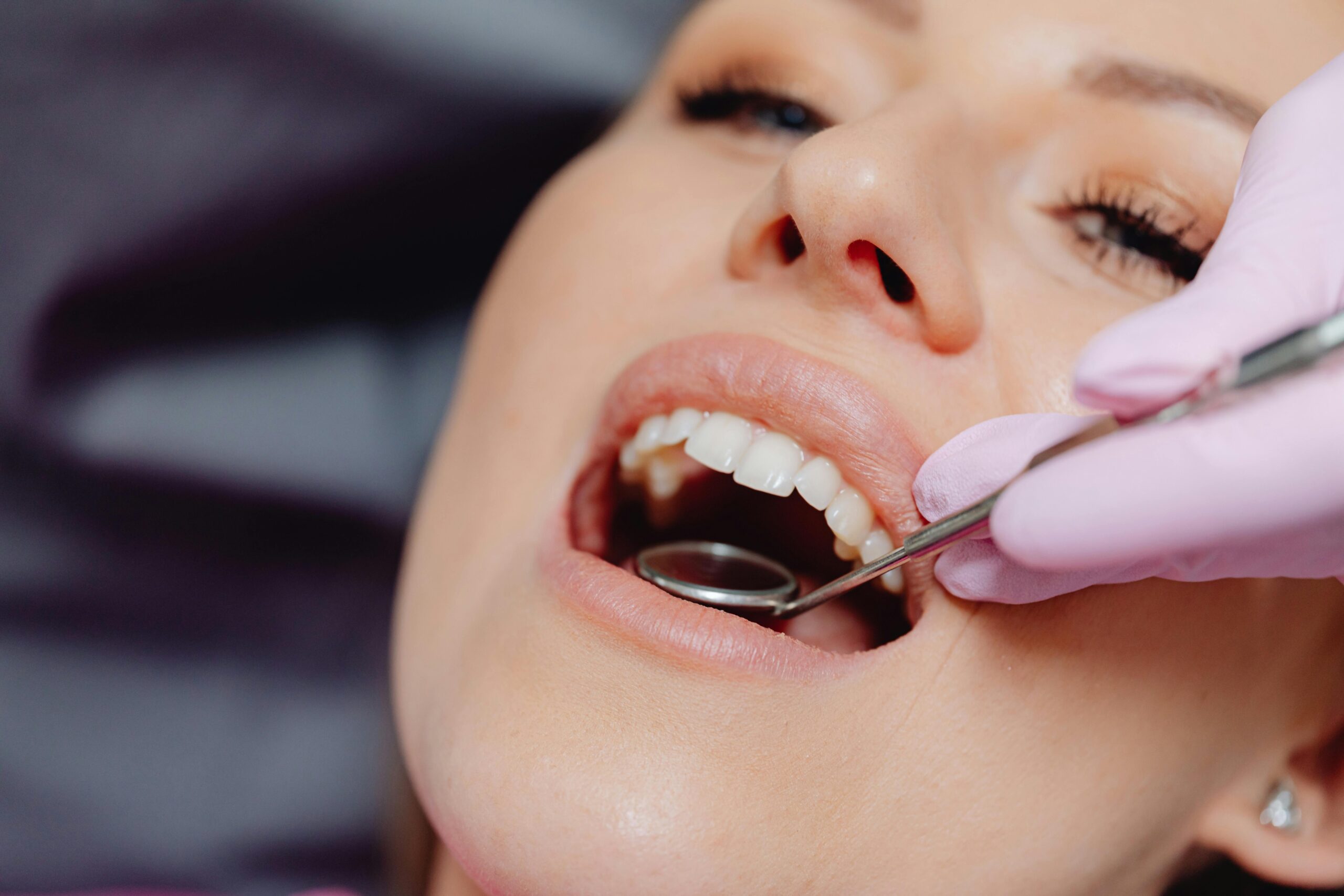
Modern Teeth Whitening Methods: A Comprehensive Guide to Achieving Your Brightest Smile
Key Takeaways
- Modern teeth whitening methods range from professional in-office treatments to at-home systems, each offering different benefits in terms of speed and comfort. Individual results vary.
- Professional in-office whitening can provide noticeable results in a single visit, using higher-concentration whitening agents activated by LED or laser technology.
- Custom tray at-home whitening offers a more gradual approach, often with reduced sensitivity due to the lower concentration of whitening agents.
- Internal bleaching provides a specialised solution for discoloured non-vital teeth that have undergone root canal therapy, addressing staining from within the tooth structure.
- Technological innovations such as nano-hydroxyapatite and Digital Smile Design have enhanced the whitening experience. Results depend on individual factors.
In the realm of cosmetic dentistry, teeth whitening stands as one of the most sought-after procedures for those looking to enhance their smile. At The Applecross Dentist, we understand that addressing aesthetic concerns through whitening may improve your smile’s appearance. Individual results vary, and consultation is required to determine suitability. As Perth’s dental practice specialising in comprehensive cosmetic dental services, we’re committed to providing you with advanced teeth whitening methods available today, with full disclosure of risks and realistic expectations.
The Evolution of Teeth Whitening: From Basic to Contemporary
The journey toward a brighter smile has evolved dramatically over the years, with modern teeth whitening methods offering various results through sophisticated technology. Today’s whitening procedures combine scientific innovation with personalised care to deliver results that are tailored to your unique dental profile. Individual outcomes vary based on numerous factors.
Modern teeth whitening has transformed from basic bleaching techniques to comprehensive smile enhancement strategies. At The Applecross Dentist, we believe in a holistic approach that considers not just the colour of your teeth, but also their health, structure, and how they complement your overall facial aesthetics. Our dental clinic provides access to current advancements in whitening technology.
Whether you’re preparing for a special occasion, addressing years of discolouration, or looking to refresh your appearance, understanding the full spectrum of modern whitening options is essential. This comprehensive guide will walk you through the various professional and at-home whitening methods, helping you make an informed decision about which approach may suit your needs, lifestyle, and smile goals. Consultation is required for personalised recommendations.
In-Office Professional Whitening: A Common Approach to Teeth Whitening
In-office teeth whitening represents one approach to modern whitening technology, offering noticeable results in shorter time frames. At The Applecross Dentist, our professional whitening treatments utilise current technology. Results vary by individual.
Professional in-office whitening employs higher-concentration bleaching agents that can only be administered by qualified dental professionals. These formulations, typically containing hydrogen peroxide or carbamide peroxide at concentrations of 25-40%, may lighten teeth by several shades in a single session. The controlled application by our experienced cosmetic dentistry team helps ensure appropriate application. Individual results vary significantly.
The whitening procedure at our dental clinic begins with a thorough examination to ensure your teeth and gums are healthy enough for treatment. We then apply a protective barrier to your gums before carefully administering the professional-grade whitening gel to your teeth. In-office whitening may utilise LED and laser systems to accelerate the whitening process.
“The combination of higher-concentration whitening agents and activation technology allows us to achieve results in one hour that would take weeks with over-the-counter products,” explains Dr. Lily Taheri, who holds a Mastership certification in Digital Smile Design. “This may be beneficial for patients with deep-set stains or those preparing for special events. Results vary between patients.”
The approach includes customised treatment plans that consider your existing dental work, sensitivity levels, and desired outcome. We can control the whitening process, targeting specific teeth that may be more discoloured than others. Outcomes cannot be guaranteed and depend on individual factors.
At-Home Whitening Systems: Professional Options for Home Use
At-home teeth whitening has evolved significantly, offering convenient options for those who prefer to brighten their smile gradually. The Applecross Dentist provides professionally designed at-home whitening systems. Individual results vary.
Custom tray whitening represents one approach to at-home whitening. Unlike one-size-fits-all products available in stores, our custom trays are precisely fabricated from impressions of your teeth, helping to ensure coverage and reduce the whitening gel from leaking onto gum tissue. This personalised approach may help reduce sensitivity and irritation during the whitening process, though experiences vary.
The professional-grade whitening gels we provide for at-home use contain carefully calibrated concentrations of active ingredients—typically 10-22% carbamide peroxide or 3-10% hydrogen peroxide. The gradual whitening process allows the enamel to remineralise between applications, which may reduce the risk of sensitivity that sometimes accompanies more intensive whitening procedures.
“Custom tray whitening offers control over the whitening process,” notes Dr. Taheri. “Patients can adjust the frequency and duration of treatments based on their comfort level. Recovery experience varies; discomfort management available.”
Beyond custom trays, modern at-home whitening options include professional whitening strips and paint-on whitening gels. These products, when provided by a dental professional, contain different ingredients than their over-the-counter counterparts.
For potential results, we recommend combining at-home whitening with regular dental cleanings and appropriate oral hygiene practices. The removal of surface stains and plaque before beginning whitening treatment may enhance the performance of the whitening agents.
Whitening Toothpastes and Rinses: Daily Maintenance Options
Whitening toothpastes and rinses represent an accessible form of teeth whitening, serving as components in maintaining your smile’s appearance. These daily-use products work through different mechanisms than professional whitening treatments, offering gradual improvement and helping to prevent new stains from forming. Results vary significantly.
Modern whitening toothpastes employ two primary approaches to addressing tooth colour. Abrasive whitening formulations contain fine particles such as silica, alumina, or calcium carbonate that physically polish away surface stains during brushing. Chemical whitening agents, including low concentrations of hydrogen peroxide or carbamide peroxide, work to break down stain molecules through oxidation.
“Whitening toothpastes may be more suited to extrinsic stains—those on the outer surface of the tooth caused by coffee, tea, wine, and tobacco,” explains our dental hygienist. “They may be valuable as maintenance products after professional whitening treatments. Individual results vary.”
Recent innovations in whitening toothpastes include the incorporation of nano-hydroxyapatite, a biocompatible material that mimics the natural mineral component of tooth enamel. At The Applecross Dentist, we may recommend nano-hydroxyapatite formulations for patients concerned about sensitivity during the whitening process.
Whitening mouth rinses complement toothpastes by reaching areas between teeth that brushing alone might miss. These products typically contain hydrogen peroxide and work gradually over time.
It’s important to recognise the limitations of these daily-use products. Whitening toothpastes and rinses typically lighten teeth by only 1-2 shades, compared to the several shades possible with professional treatments. Results depend on individual factors and consistent use.
Internal Bleaching: Specialised Solutions for Non-Vital Teeth
Internal bleaching represents a specialised whitening technique specifically designed for non-vital teeth—those that have undergone root canal therapy and no longer have a living pulp. This approach addresses discolouration that originates from within the tooth structure, which cannot be addressed with conventional external whitening methods.
Non-vital teeth often develop discolouration due to trauma, pulp necrosis, or remnants of pulp tissue left in the pulp chamber after endodontic treatment. Internal bleaching provides one solution to this concern, potentially avoiding the need for more invasive procedures such as dental crowns or veneers. Consultation required to determine suitability.
The walking bleach technique is one common approach to internal bleaching at The Applecross Dentist. This procedure begins with creating a small access opening in the back of the affected tooth. After ensuring the root canal filling is properly sealed, a mixture of sodium perborate and water (or hydrogen peroxide) is placed inside the pulp chamber. The access opening is then temporarily sealed, allowing the bleaching agent to work gradually over several days.
“The walking bleach technique offers one method for whitening non-vital teeth,” Dr. Taheri explains. “The bleaching agent works from inside the tooth, addressing the internal discolouration that external whitening cannot reach. Results vary based on individual circumstances.”
Patients typically return to our dental clinic after 3-7 days for evaluation. If necessary, the bleaching agent can be replaced for additional whitening. Once the desired shade is achieved, the temporary filling is removed, and the access cavity is permanently restored with a tooth-coloured composite material.
The results of internal bleaching vary, with success rates of 80-90% reported in clinical studies. However, some cases of severe discolouration, particularly those resulting from metallic restorations or certain medications, may not respond completely to this treatment. Alternative cosmetic options may be recommended.
Technology and Innovations: Current Developments in Teeth Whitening
The landscape of teeth whitening continues to evolve, with technological innovations enhancing the whitening experience. At The Applecross Dentist, we incorporate current technology into our cosmetic dentistry offerings. Individual results vary.
LED and blue light activation systems represent one technological development in professional teeth whitening. These light sources are calibrated to activate whitening gels, accelerating the breakdown of stain molecules. Modern LED whitening systems operate at wavelengths between 400-500 nanometres.
“Current generation LED whitening technology may allow us to achieve results in shorter treatment times,” notes Dr. Taheri. “The controlled light activation may enhance the performance of our professional whitening gels. Recovery time varies between individuals.”
Nano-hydroxyapatite has emerged as an ingredient in modern whitening formulations. This biocompatible material, which mimics the natural mineral component of tooth enamel, serves multiple functions in the whitening process. It may help to fill microscopic surface irregularities and reduce sensitivity by occluding dentinal tubules.
Digital Smile Design technology has transformed our approach to teeth whitening by allowing for treatment planning. This system enables us to digitally preview potential whitening results before treatment begins. As a dentist in Perth with Mastership certification in Digital Smile Design, Dr. Taheri brings expertise to this aspect of whitening treatment. Outcomes cannot be guaranteed.
Looking to the future, emerging technologies such as ultrasonic whitening and laser-activated photosensitive gels show promise for whitening experiences. These innovations aim to enhance the penetration of whitening agents into the tooth structure.
Considerations and Managing Sensitivity
While modern teeth whitening methods offer various results, understanding the potential side effects and considerations is essential for an informed decision. At The Applecross Dentist, we prioritise your oral health and comfort throughout the whitening process. Full risk information available at consultation.
Tooth sensitivity during and after whitening is commonly reported, affecting approximately 60-80% of patients to some degree. This temporary discomfort occurs when the whitening agents penetrate the enamel and reach the dentin layer, stimulating the nerve endings within the dental pulp. Recovery experience varies; discomfort management available.
“Sensitivity management begins before the whitening process even starts,” explains Dr. Taheri. “During your initial consultation, we carefully assess your risk factors for sensitivity, including existing enamel wear, gingival recession, and history of sensitive teeth. This allows us to customise your whitening protocol accordingly.”
Modern whitening systems incorporate several innovations designed to reduce sensitivity. Potassium nitrate, a desensitising agent, is included in many professional whitening formulations. Fluoride, another common addition, helps to strengthen enamel and decrease permeability.
Nano-hydroxyapatite technology represents an advancement in sensitivity management during teeth whitening. This biomimetic material physically occludes the microscopic tubules in dentin that transmit sensitivity. Studies have shown that whitening formulations containing nano-hydroxyapatite may reduce sensitivity compared to traditional whitening products.
Treatment protocols have evolved to address discomfort. Shorter application times with higher-concentration gels, rather than prolonged exposure to lower concentrations, may reduce the overall impact on tooth sensitivity. Additionally, incorporating rest periods between whitening sessions allows the teeth to recover and remineralise.
For patients with particularly sensitive teeth, we may recommend a pre-treatment regimen with desensitising toothpaste containing potassium nitrate or nano-hydroxyapatite for two weeks before whitening begins. Individual pain thresholds vary.
Maintaining Your Whitening Results: Long-Term Strategies
Achieving a whiter smile is just the beginning—maintaining those results requires a thoughtful approach to oral care and lifestyle choices. At The Applecross Dentist, we provide comprehensive guidance on preserving your whitening investment. Results typically last varying timeframes but depend on individual factors.
The longevity of teeth whitening results varies significantly based on several factors, including the whitening method used, your dietary habits, oral hygiene practices, and natural predisposition to staining. Professional in-office whitening typically provides results that last 1-3 years, while at-home custom tray whitening may require more frequent touch-ups. Maintenance treatments usually required.
“The first 48 hours after whitening are particularly important,” advises Dr. Taheri. “During this period, the enamel is more susceptible to staining as it rehydrates and remineralises. We recommend avoiding foods and beverages with strong pigments such as coffee, red wine, tea, berries, and tomato-based sauces for at least two days post-treatment.”
Beyond the initial period, dietary awareness remains important for long-term whitening maintenance. When consuming potentially staining items, using a straw to minimise contact with the teeth and rinsing with water afterward may help mitigate their impact on your smile’s appearance.
Regular professional dental cleanings play a role in maintaining whitening results. These appointments, recommended every six months, remove surface stains and tartar that can accumulate despite good home care.
Home maintenance strategies include the use of whitening toothpastes containing gentle polishing agents or low concentrations of hydrogen peroxide. Whitening rinses provide additional protection against stain accumulation.
For those who have invested in custom whitening trays, periodic touch-up treatments offer one way to maintain results. We typically recommend using your trays with professional whitening gel for one or two nights every three to six months, depending on your staining tendencies. Results vary by individual.
FAQ: Common Questions About Modern Teeth Whitening
What is the difference between in-office and at-home teeth whitening methods?
In-office professional whitening uses higher-concentration bleaching agents (25-40% hydrogen peroxide) applied by dental professionals, often activated with LED or laser technology. This approach may deliver results in a single 60-90 minute appointment, potentially lightening teeth by several shades. The controlled environment allows for appropriate application.
At-home whitening systems use lower concentrations of whitening agents (typically 3-10% hydrogen peroxide or 10-22% carbamide peroxide) applied through custom-fitted trays, strips, or paint-on gels. These treatments work more gradually over 1-2 weeks of daily application, with results appearing incrementally. Individual results vary.
The primary differences lie in treatment time, immediate results, cost, and control over sensitivity. In-office whitening offers convenience, while at-home methods provide more flexibility and may offer a different experience for those with sensitive teeth. Consultation required to determine suitability.
How does laser teeth whitening work?
Laser teeth whitening employs focused light energy to enhance the activity of peroxide-based whitening gels. The specific wavelength of the laser activates the whitening compounds, accelerating the oxidation process that breaks down stain molecules within the tooth structure. This may allow for whitening in shorter treatment times compared to non-activated methods.
Modern laser whitening is generally well-tolerated when performed by qualified dental professionals. The procedure includes protective measures such as gingival barriers and controlled application times. The concentrated light energy is specifically directed at the teeth.
Research indicates that laser whitening, when properly administered, does not typically cause structural damage to dental enamel. However, as with all whitening procedures, temporary sensitivity is possible. At The Applecross Dentist, we carefully assess each patient’s suitability for laser whitening and modify the protocol as needed. Full risk information available at consultation.
What are the potential side effects of teeth whitening, and how can they be managed?
The most common side effect of teeth whitening is temporary sensitivity, which typically manifests as sharp, transient discomfort in response to temperature changes. This occurs when whitening agents penetrate the enamel and reach the dentin, stimulating nerve endings. Gingival irritation may also occur if the whitening gel contacts soft tissues during treatment. Recovery experience varies.
To manage these potential side effects, we implement several strategies: pre-treatment assessment to identify risk factors for sensitivity, application of desensitising agents containing potassium nitrate or nano-hydroxyapatite before and after whitening, gradual introduction to whitening for sensitive patients, precise application techniques and protective barriers to prevent gingival contact, customised treatment protocols with appropriate concentration and duration, and rest periods between whitening sessions to allow remineralisation.
Most sensitivity resolves within 24-48 hours after treatment. For patients experiencing more pronounced discomfort, we may recommend desensitising toothpaste, fluoride applications, or products containing nano-hydroxyapatite. Individual pain thresholds vary. Discomfort management available.
How long do the results of teeth whitening typically last?
The longevity of teeth whitening results varies based on several factors, including the whitening method used, dietary habits, oral hygiene practices, and individual predisposition to staining. On average, professional in-office whitening results last 1-3 years, while at-home custom tray whitening can maintain results with periodic touch-ups. Results depend on individual factors.
Factors that influence whitening longevity include: consumption of staining substances (coffee, tea, red wine, tobacco), natural ageing process, which tends to yellow teeth over time, oral hygiene habits and frequency of professional cleanings, the original cause of discolouration, and individual enamel characteristics and porosity.
To potentially extend the duration of your whitening results, we recommend: avoiding strongly pigmented foods and beverages for 48 hours post-whitening, using a straw when consuming staining beverages, rinsing with water after consuming potentially staining foods, maintaining oral hygiene, regular professional cleanings every six months, and periodic touch-up treatments using custom trays or in-office procedures. Maintenance treatments usually required.
Can teeth whitening damage my enamel?
When performed correctly using professional products and protocols, teeth whitening typically does not cause structural damage to dental enamel. Modern whitening formulations are designed to temporarily open the pores of the enamel to remove stains without affecting its mineral content or integrity. After whitening, the enamel rehydrates and remineralises, returning to its normal state.
However, improper use of whitening products—particularly over-application or use of highly abrasive whitening toothpastes—may potentially contribute to enamel wear over time. This underscores the importance of professional guidance in your whitening journey, even when using at-home products.
At The Applecross Dentist, we prioritise enamel health throughout the whitening process. Our professional-grade products include remineralising agents such as fluoride and nano-hydroxyapatite. Additionally, we carefully assess each patient’s enamel condition before recommending a whitening protocol. Consultation required for personalised assessment.
What is internal bleaching, and when is it necessary?
Internal bleaching, also known as non-vital whitening, is a specialised procedure designed specifically for teeth that have undergone root canal therapy and subsequently developed discolouration. This technique addresses staining that originates from within the tooth structure—typically resulting from trauma, pulp necrosis, or remnants of pulp tissue left in the chamber after endodontic treatment.
The procedure may be considered when a non-vital tooth appears noticeably darker than the surrounding teeth, creating an aesthetic imbalance in the smile. Unlike external whitening methods that work on the outer enamel surface, internal bleaching places the whitening agent directly inside the tooth’s pulp chamber using the walking bleach technique.
Internal bleaching may be considered when: a root-canal-treated tooth shows significant discolouration, external whitening methods have not addressed the discolouration, the patient prefers a conservative approach over covering the tooth with a crown or veneer, and the tooth structure remains strong enough to support the procedure. The success rate for internal bleaching is approximately 80-90%, though results vary based on the cause and severity of the discolouration. Consultation required to determine suitability.
How can I maintain my teeth whitening results long-term?
Maintaining your whitening results requires a multifaceted approach that addresses both preventive measures and periodic maintenance treatments. At The Applecross Dentist, we provide personalised guidance based on your specific staining tendencies and lifestyle factors. Individual results vary.
Key strategies for long-term maintenance include: dietary awareness—minimise consumption of staining substances such as coffee, tea, red wine, and deeply pigmented foods; oral hygiene—brush twice daily with a whitening toothpaste and floss daily; regular professional cleanings—schedule dental hygiene appointments every six months; periodic touch-up treatments—for those with custom whitening trays, using them for one or two nights every 3-6 months with professional whitening gel may help maintain results; avoid tobacco products—smoking and other tobacco use cause severe staining; and consider lifestyle modifications.
By implementing these strategies consistently, many patients maintain their whitening results for extended periods, requiring minimal touch-up treatments. Results typically last varying timeframes but depend on individual factors. Maintenance treatments usually required.
This is general information only, not medical advice. Only a qualified practitioner can recommend treatment after examination. Results vary by individual. Consultation required for personalised recommendations.