
Funding Complex Dental Emergencies: Your Complete Financial Guide
Key Takeaways
- — separate from any treatment costs. You can understand your options before committing to anything.
- We are preferred providers with HCF, HBF, and nib, which may significantly reduce your out-of-pocket gap fees for complex procedures.
- Flexible payment plans, including Zip Pay and Humm, are available — no need to fund everything upfront.
When a dental emergency strikes, the financial question often hits just as hard as the physical one. How much will this cost? Can I afford it right now? Do I have to choose between my health and my savings?
The honest answer: most patients have more options than they realise. This guide walks you through every realistic pathway so you can make a clear, confident decision without guesswork.
What Does a Dental Emergency Actually Cost?
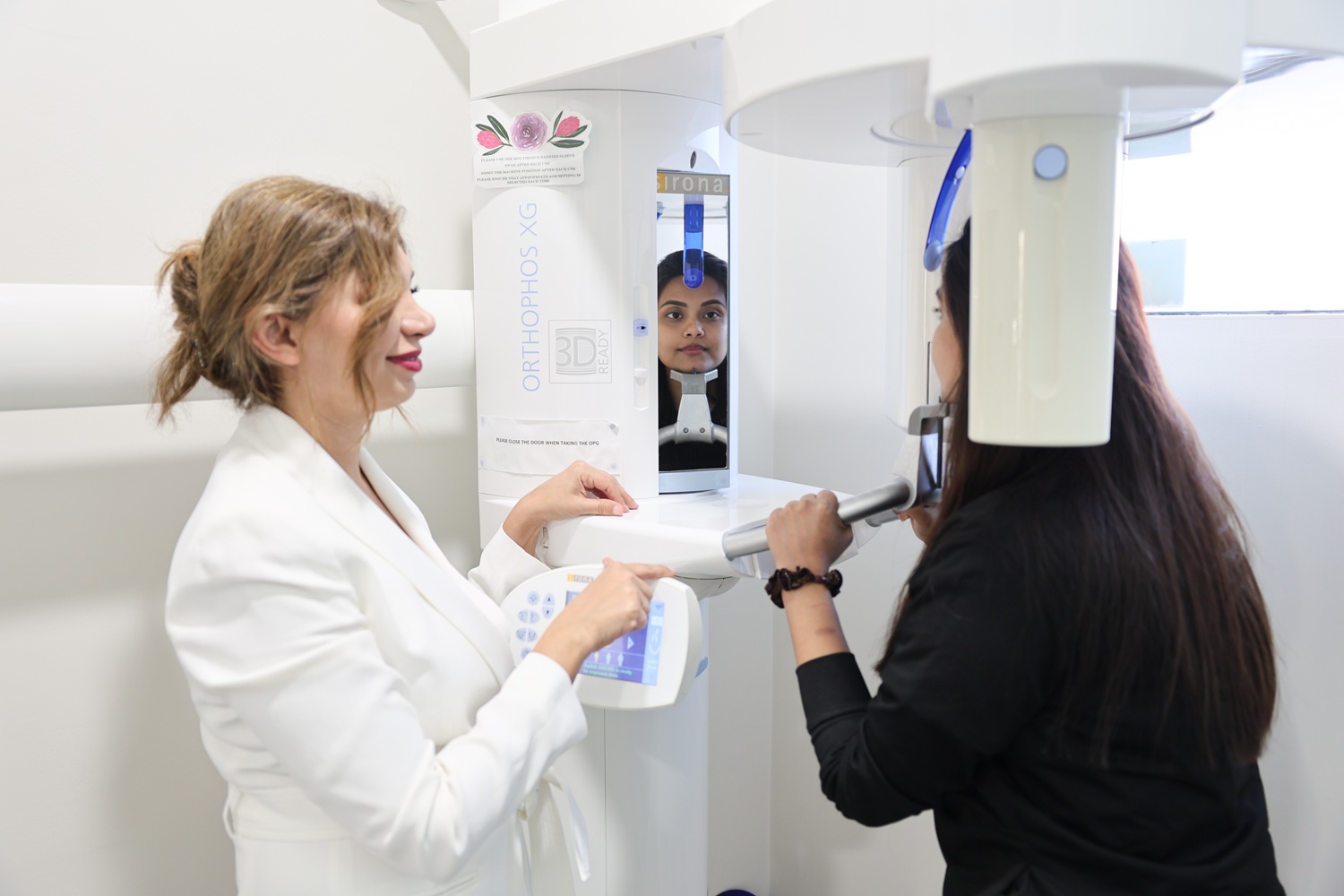
There are two separate costs in any dental emergency, and conflating them is the single biggest source of financial anxiety we see. The first is your initial assessment — a low-cost, where we examine what’s happened, take any necessary imaging, and map out your options. This is accessible, predictable, and carries no obligation to proceed.
The second is your treatment plan, which may range from a straightforward restoration to complex restorative work such as implants or full-mouth rehabilitation. This is the number that varies significantly, and it’s the one we discuss in full transparency before you commit to anything.
We believe you should understand every step before we take it. That’s not a policy — it’s how we work.
Will My Private Health Insurance Cover a Dental Emergency?
It depends on your level of cover — but as a preferred provider with HCF, HBF, and nib, we’re positioned to maximise what your policy returns to you.
Most major health funds include some level of emergency dental cover under their “Major Dental” or “General Dental” categories. What varies is the annual limit, the waiting period (if applicable), and the gap fee — the difference between what your fund pays and what the procedure costs.
What Are Gap Fees and How Do We Reduce Them?
As a preferred provider, we have agreed fee arrangements with HCF, HBF, and nib that are specifically designed to minimise your out-of-pocket exposure. In some cases, preferred provider status may reduce your gap fee to zero for eligible services, though this varies by procedure and policy.
We accept all health funds, and our team can check your entitlements at the time of your assessment, so you have a clear picture before any treatment begins. No hidden costs. No surprises at the front desk.
What Are My Options If I Need a Payment Plan?
We offer Zip Pay and Humm (and TLC) — two of Australia’s most widely used dental financing options. Both allow you to spread the cost of treatment over time, and neither requires you to delay care while you save.
A few things worth knowing: both providers have their own credit assessment process, and approval is subject to their individual criteria. We’d encourage you to review the terms directly with each provider, as interest rates and repayment structures differ. What we can confirm is that there are no hidden fees added on our end — the treatment cost you’re quoted is the cost you pay.
Comparing Your Funding Options at a Glance
| Funding Option | Best For | Typical Timeline | Key Consideration |
|---|---|---|---|
| Private Health Insurance |
Patients with existing Major Dental cover |
Immediate (subject to waiting periods) |
Gap fees vary; preferred provider status reduces outof-pocket costs |
| Zip Pay | Spreading the cost over time, immediate treatment |
Same-day approval possible |
Subject to provider credit assessment |
| Humm | Larger treatment costs spread over longer terms |
Same-day approval possible |
Subject to provider credit assessment |
| Upfront Payment |
Patients preferring to settle in full |
Immediate | No additional process; full cost visibility upfront |
Why Delaying Treatment Typically Costs More
This isn’t intended as pressure — it’s clinical reality, and we think you deserve to know it.
A cracked tooth that requires a crown today may require an implant in six months if the structure
deteriorates further. A failing bridge addressed now is a very different financial conversation
from the same bridge left until the surrounding bone is compromised.
The initial investment in addressing an emergency promptly is, in most cases, meaningfully
lower than the cost of the more complex work that becomes necessary when treatment is
deferred. We see this regularly, and we’d rather have an honest conversation with you now than
a harder one later.
“No Surprises” — How We Approach Financial Transparency
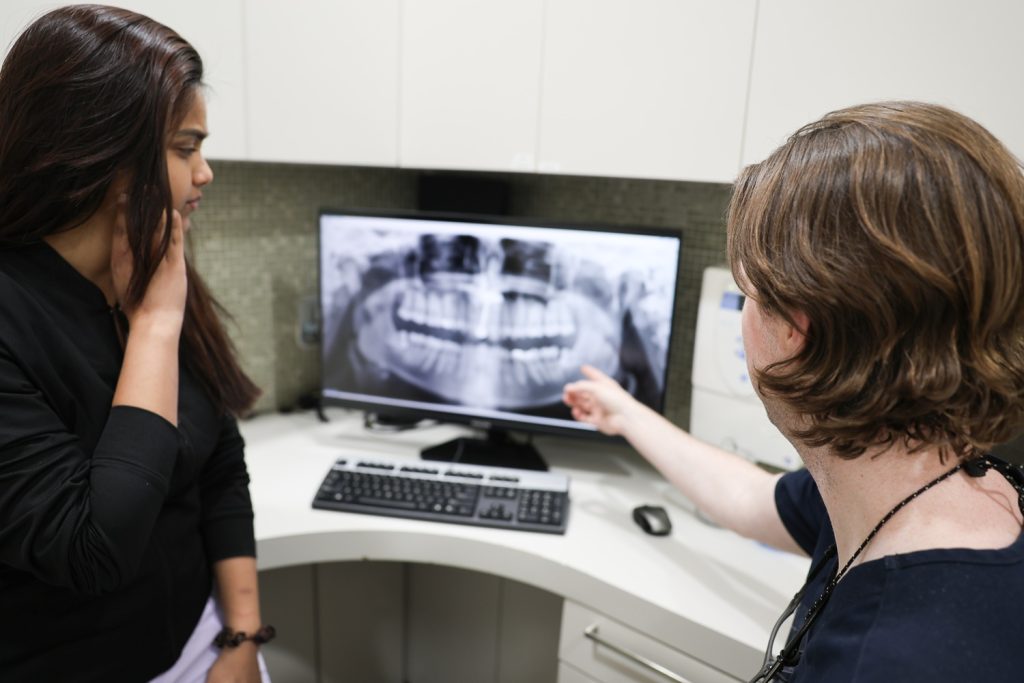
Before any treatment begins, we provide a fully itemised treatment plan with costs clearly outlined. If you’re using a health fund, we check your entitlements in the chair. If you need a payment plan, we walk you through the options without pressure.
This is also where our Digital Smile Design (DSD) process matters beyond aesthetics. For patients facing complex restorative work, DSD means you see a precise digital preview of the proposed outcome before a single step is taken. You’re not committing to an unknown — you’re approving a plan you’ve already seen. No guesswork. No surprises. Just the results you’ve
already approved.
Dr. Lily Taheri holds a Mastership in Digital Smile Design — the only dentist in WA with this credential — and our 4.9-star rating across 200+ patient reviews reflects a practice built on
exactly this kind of transparency.
What To Do Next
You don’t need to have the funding sorted before you call us.
The first step is a conversation. Book an emergency dental assessment at our Applecross clinic, and we’ll walk through your clinical situation and your funding options together — clearly, honestly, and without obligation.
- Suite 4/40 Ardross St, Applecross WA 6153
- +61 8 9315 3008
- Book your emergency consultation — same-day appointments available, Mon–Fri 8:30 am– 5:30 pm, Saturdays By appointment only
Serving Applecross, Mount Pleasant, Ardross, Booragoon, Melville, and the south-of-river corridor.