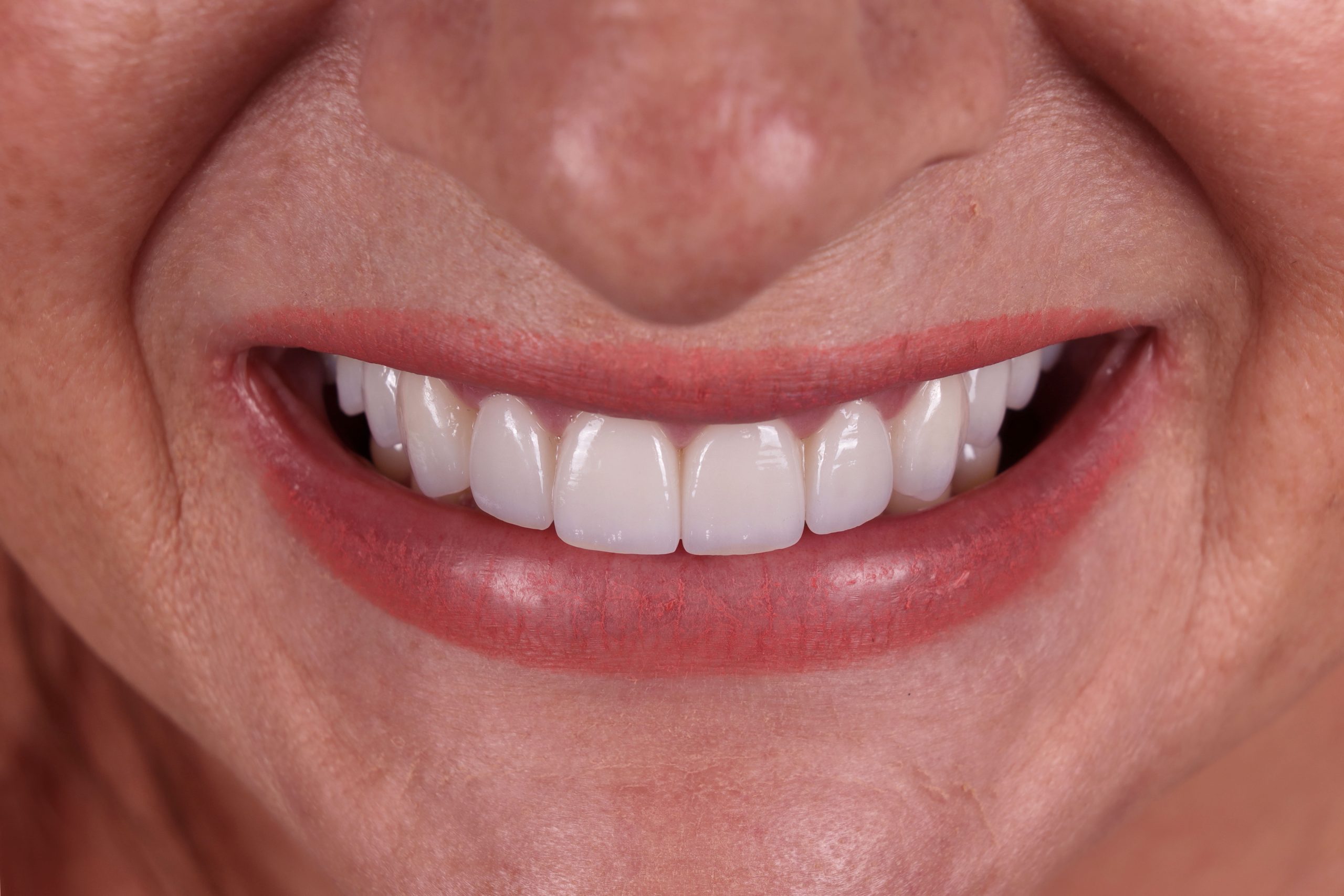
Full Mouth Reconstruction

Kathryn’s Smile Journey

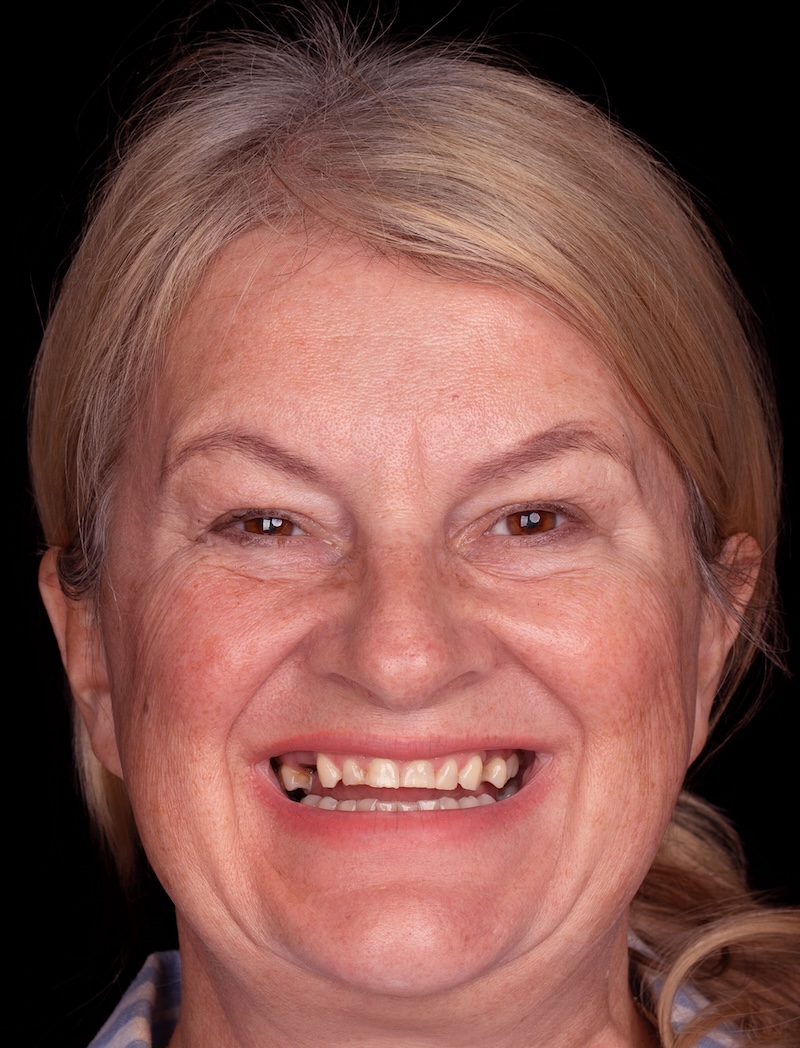
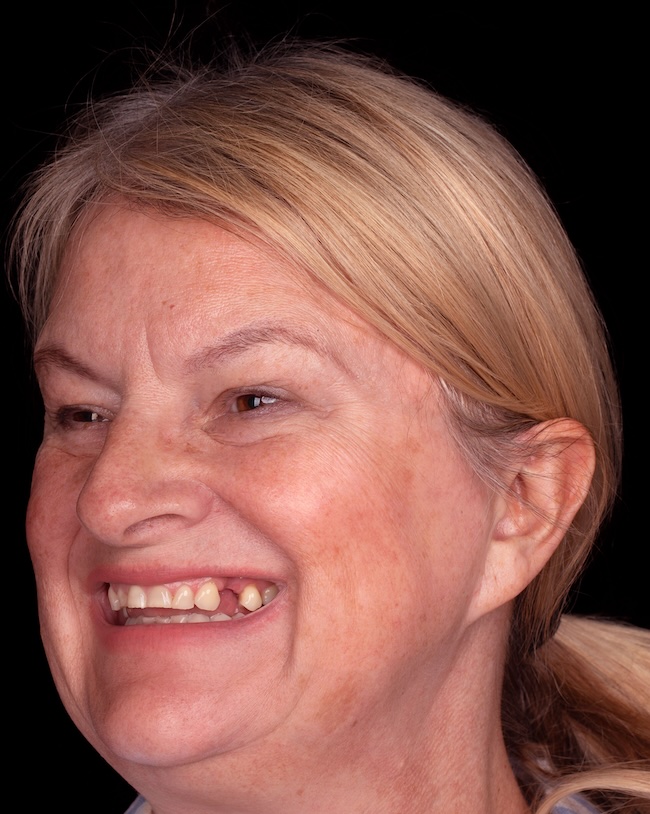
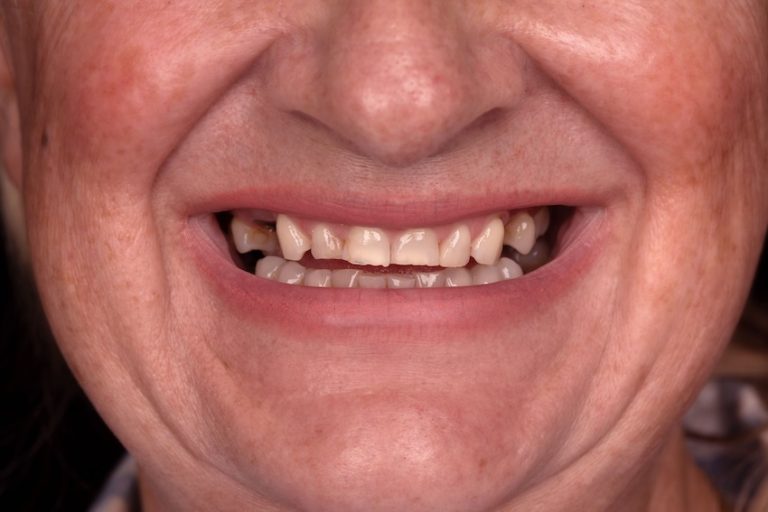
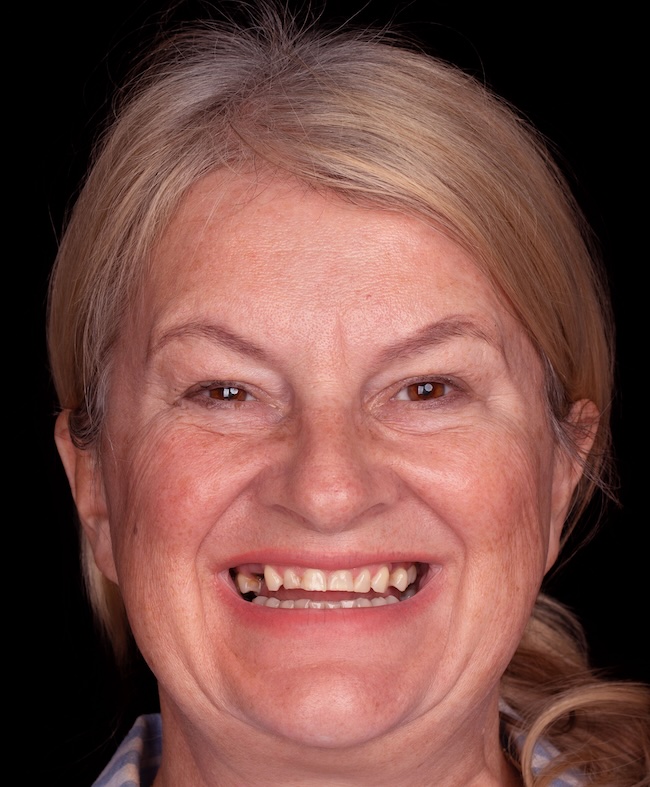
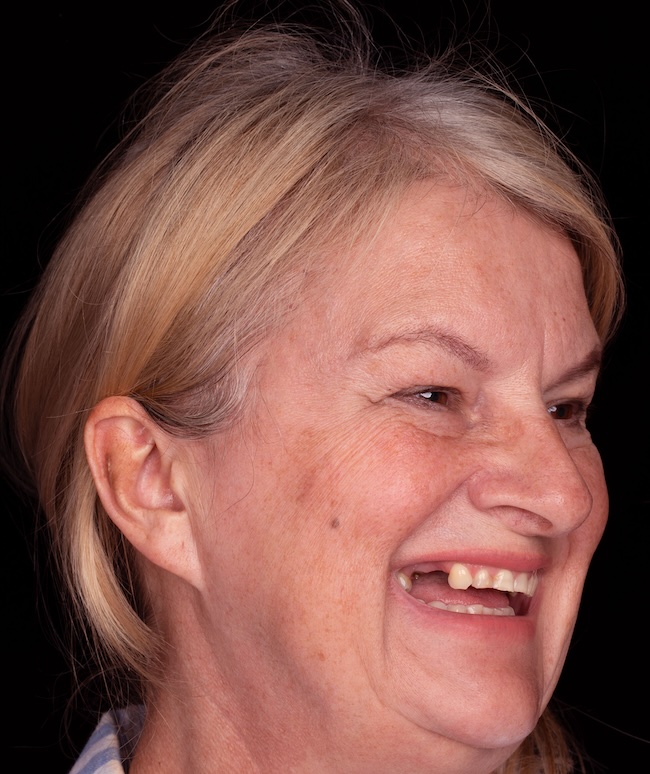
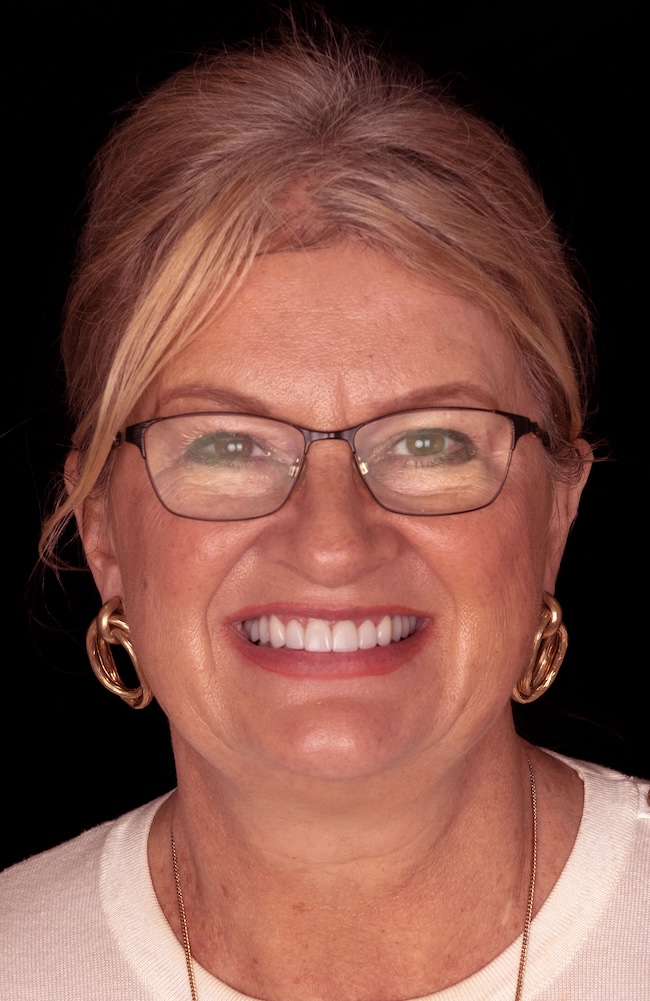
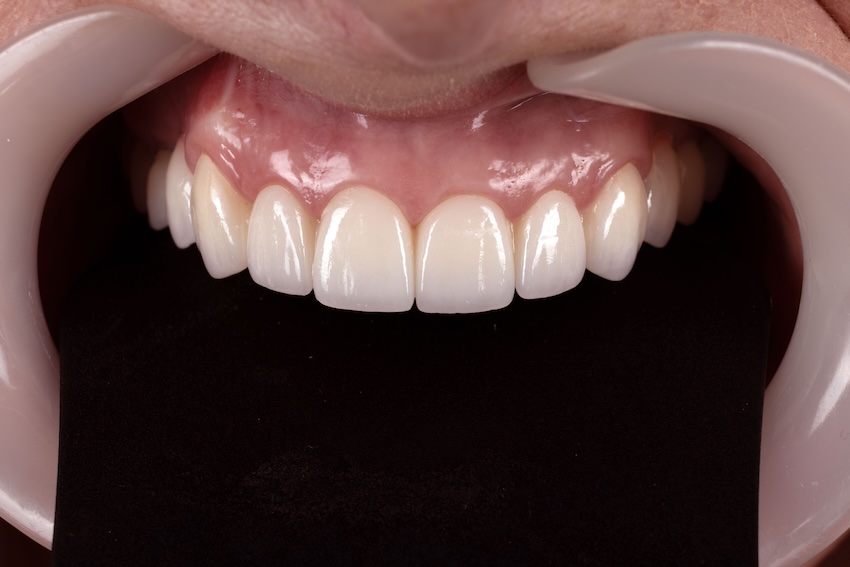
Kathryn came to us with severe tooth wear, a collapsed bite, loss of vertical dimension and missing teeth. Following careful Digital Smile Design planning, a mock-up and provisional phase were used to plan her new bite before treatment began. Her full-mouth reconstruction combined porcelain veneers, crowns and bridges for the upper teeth with composite restorations for the lower teeth, followed by a protective night guard.

Treatment Time

5 - 6 Months

Procedures

Digital Smile Design · Full Mouth Reconstruction · Porcelain Restorations · Composite Restorations

Clinician

Dr Lily Taheri
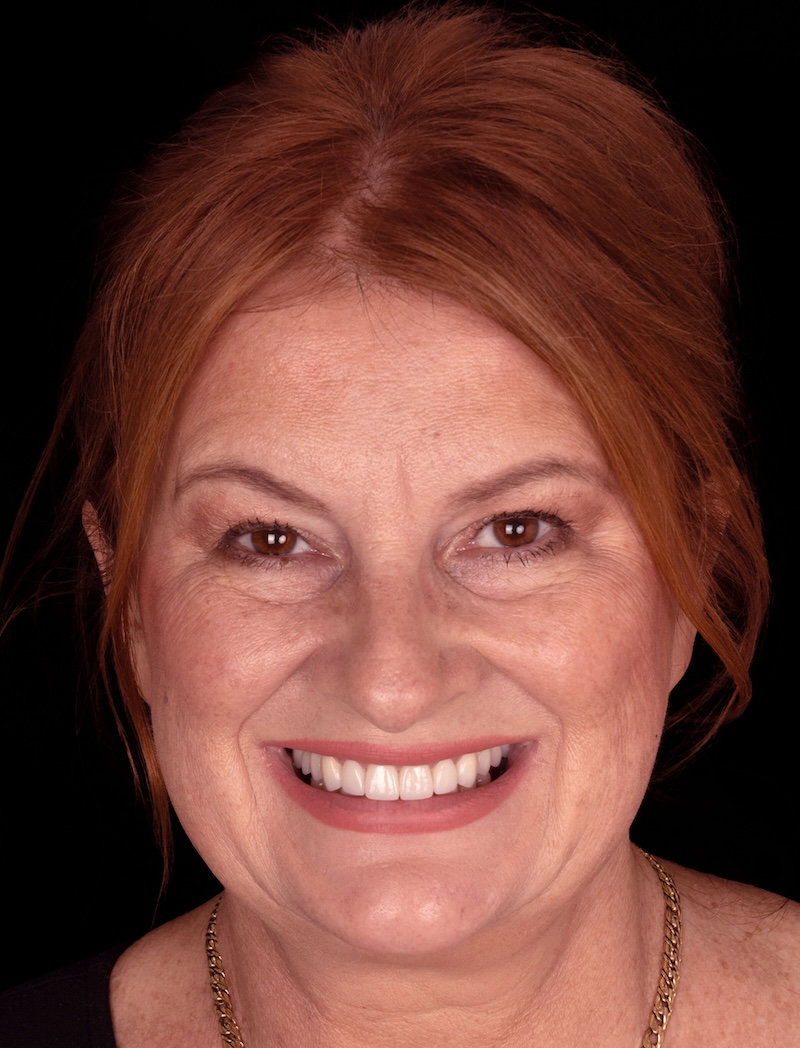
Drag the slider to reveal →
After
Before
Before After
‹›
Severe Wear · Collapsed BiteReconstructed Bite · Restored Dentition

Complex rehabilitation begins with careful planning. Digital Smile Design and a provisional phase allowed us to assess and refine the proposed bite before progressing to the definitive restorations.

FULL MOUTH RECONSTRUCTION PLANNING
01
COMPREHENSIVE ASSESSMENT

Understanding the Starting Point

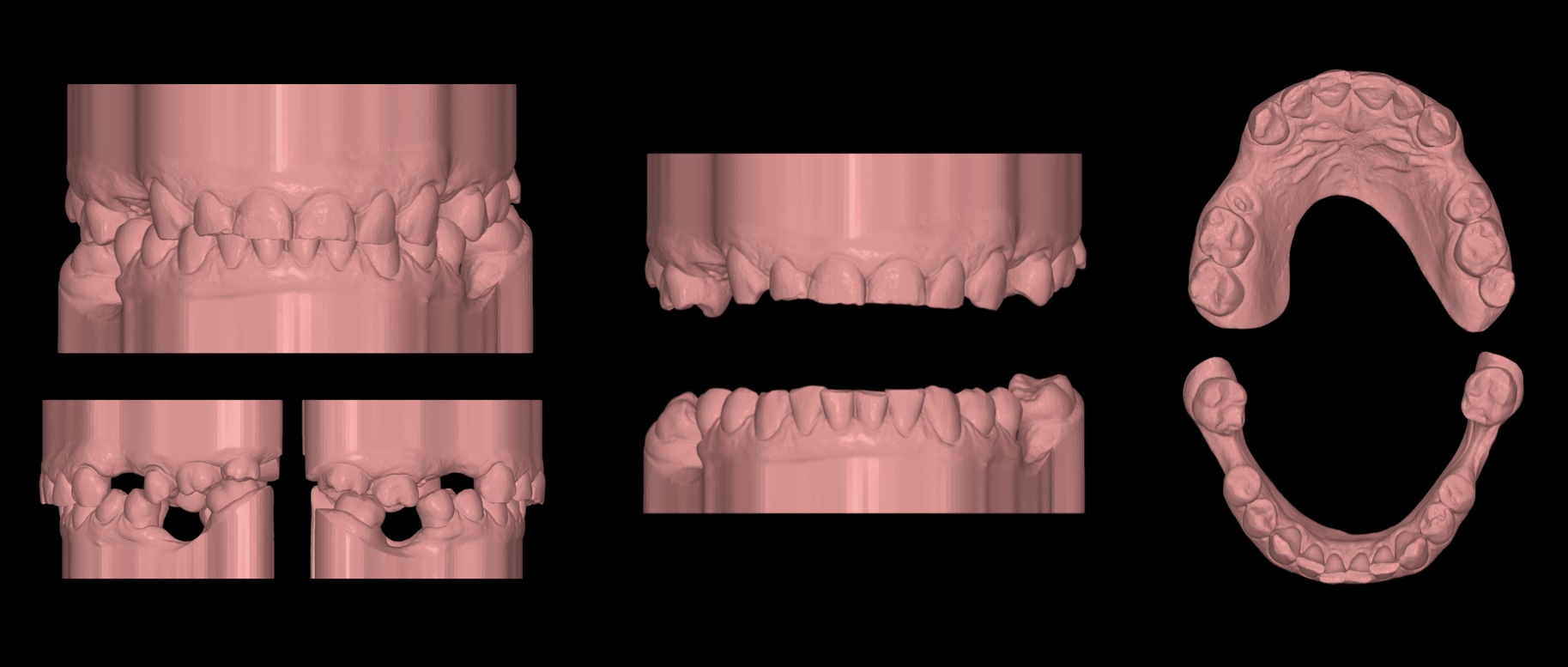
Kathryn presented with severe tooth wear, a collapsed bite, loss of vertical dimension and missing teeth. A comprehensive assessment evaluated the extent of wear, remaining tooth structure and her existing bite. These findings formed the foundation for careful Digital Smile Design planning and a full-mouth reconstruction.
1 4
2 3
3 2
4 2
02DESIGNING THE RECONSTRUCTION

Digital planning, step by step

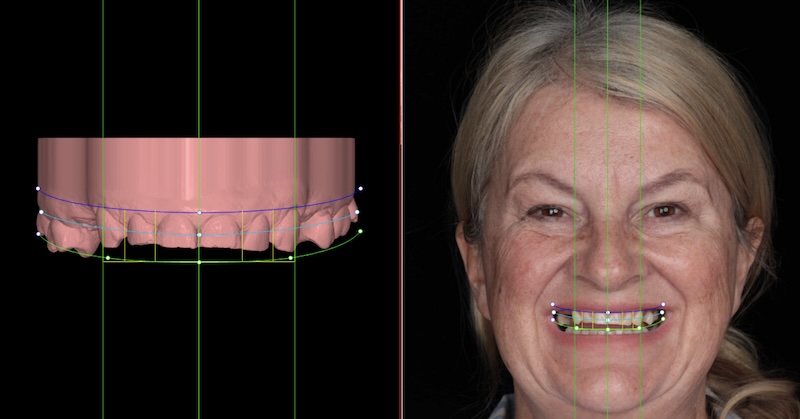
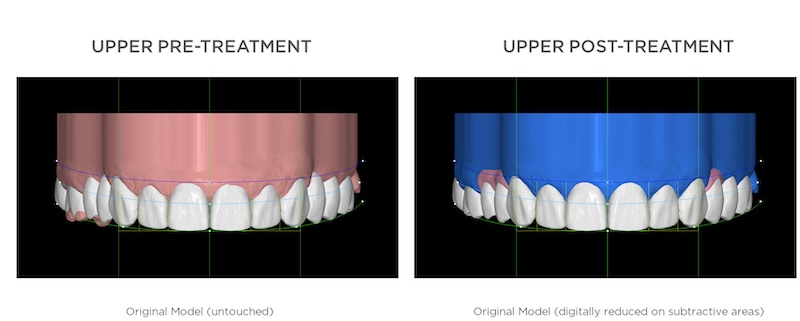
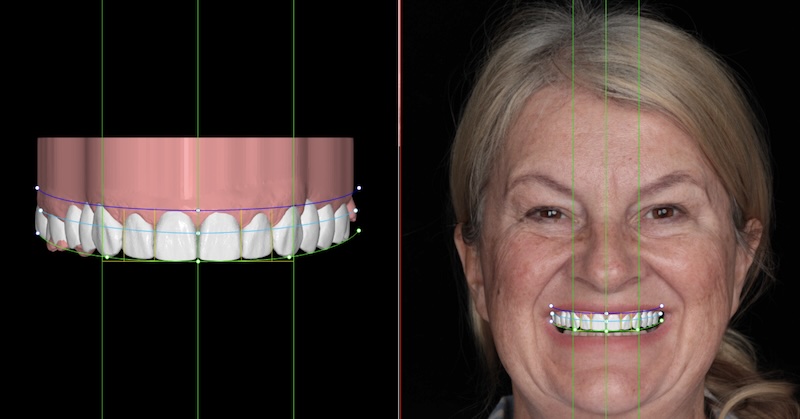
Using Digital Smile Design (DSD), we combined clinical photographs, facial videos and 3D digital scans to carefully plan Kathryn’s reconstruction. Tooth position, proportions and the new vertical dimension were assessed digitally before progressing to the mock-up and provisional phase.
02 1
Step 01

Facial & Bite Analysis

Assessing facial proportions, tooth wear, existing bite and available tooth structure.
02 2
Step 02

Digital Design

Planning tooth position, proportions and the proposed new vertical dimension.
02 4
Step 03

3D Planning

Translating the digital design into a planned full-mouth reconstruction.
02 3
Step 04

Final Proposal

Reviewing and refining the proposed design before the mock-up and provisional phase.
03MOCK-UP & PROVISIONAL PLANNING
Kathryn After
3F6A7166

Previewing the plan before treatment

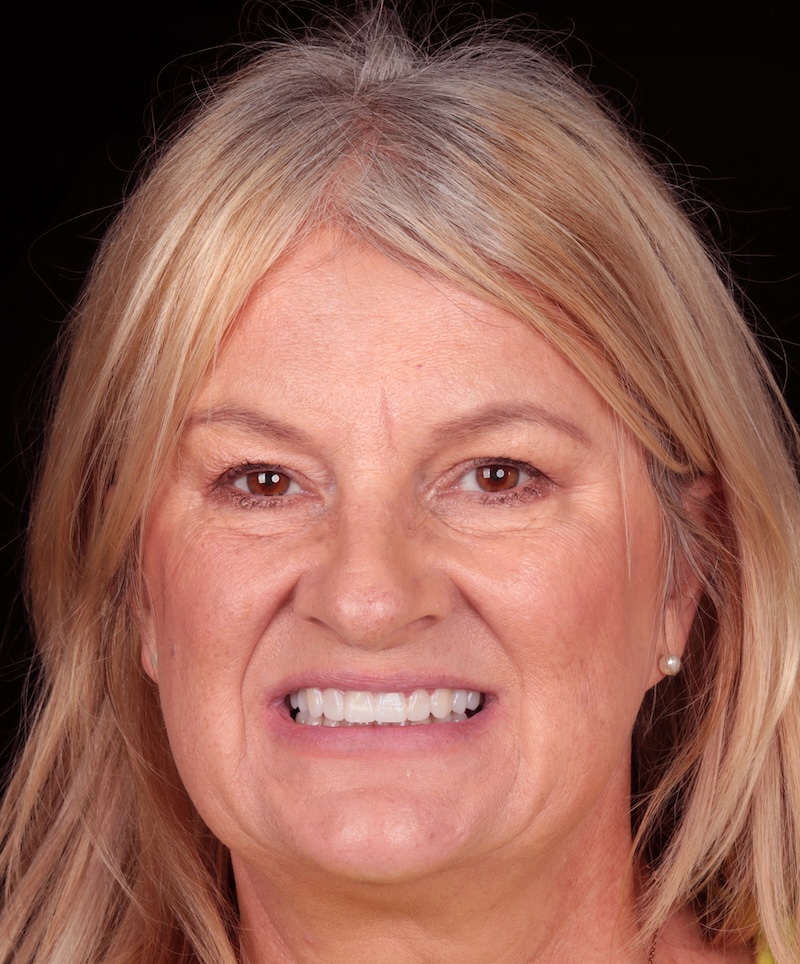
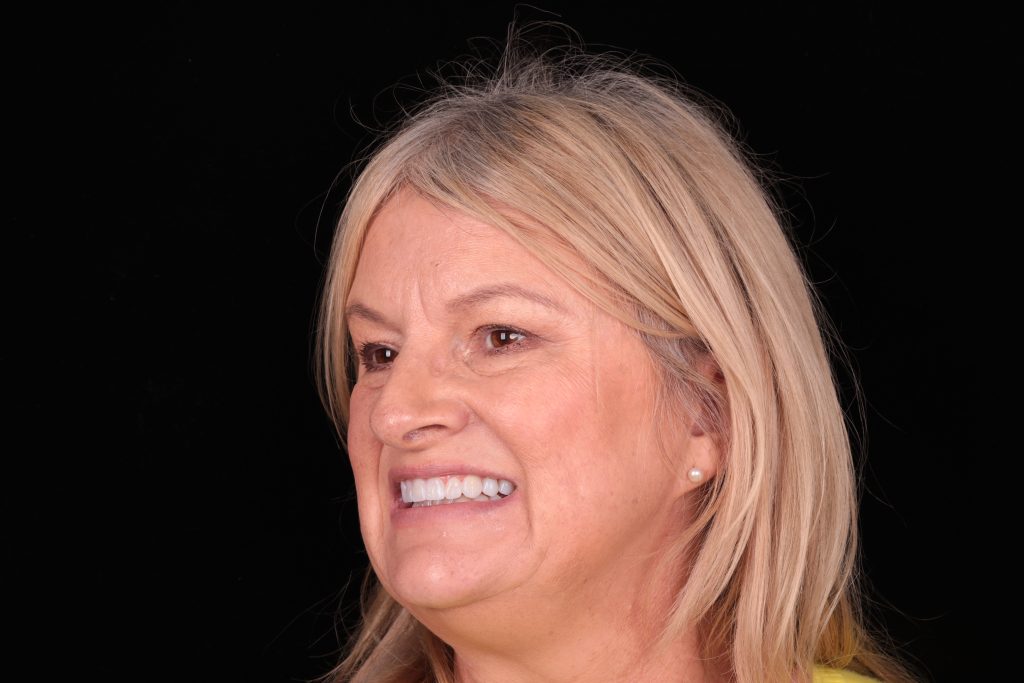
Before definitive treatment began, Kathryn previewed the planned changes with a customised mock-up. This allowed us to assess the proposed tooth position, proportions and new bite clinically, and refine the design before progressing to the provisional phase and final restorations.
04The Treatment Journey

A carefully planned sequence to rebuild the bite and restore worn teeth

1

Digital Planning

Comprehensive assessment and Digital Smile Design to plan tooth position, proportions and the new vertical dimension.
2

Mock-up & Provisional Phase

Previewing the design, followed by provisional restorations to assess and refine the new bite before final treatment.
3

Full Mouth Reconstruction

Restoring the upper teeth with porcelain veneers, crowns and bridges, with composite restorations used for the lower teeth.
4

Long-term Protection

A custom night guard and ongoing maintenance to help protect the reconstructed teeth over time.
05The Result

Rebuilding worn teeth, restoring the bite

Kathryn’s completed full-mouth reconstruction restored the severely worn dentition and established the planned vertical dimension. Porcelain and composite restorations were carefully integrated across the upper and lower arches, with a custom night guard provided to help protect the completed work.
10 0
4 1
6
11 2
Clinical Details
Treatment Time

5 - 6 Months

Materials Used
Treatment Philosophy

Complex rehabilitation begins with a carefully considered plan.

Accredited & Trusted
Platinum Invisalign Provider
Digital Smile Design Master
Australian Dental Association
Dental Board · AHPRA

Preferred provider: · HCF · nib · hbf

Common Questions

Frequently asked

A full mouth reconstruction is a personalised treatment approach used when multiple teeth require restorative and/or cosmetic treatment. Depending on the individual, treatment may involve a combination of porcelain veneers, crowns, bridges, dental implants, gum treatment or other restorative procedures.

Treatment is carefully planned around the health, function, bite and appearance of the smile, with the combination of procedures varying according to each patient’s clinical needs.


Depending on the extent and cause of the wear, treatment options may include monitoring and preventive care, composite restorations, porcelain veneers or crowns, orthodontic treatment, replacement of missing teeth with bridges or dental implants, or a combination of approaches. A comprehensive assessment is required to evaluate the bite, remaining tooth structure and underlying causes before recommending appropriate treatment.
Significant tooth wear can reduce tooth height and vertical dimension, altering the way the upper and lower teeth meet. In some cases, this may also contribute to reduced lower facial height. Where appropriate, treatment may involve carefully planning a new vertical dimension and rebuilding the worn teeth to restore tooth structure and establish a functional bite.
Digital Smile Design (DSD) combines clinical photographs, facial analysis, video and digital scans to help plan tooth position, proportions and their relationship to the face. In complex rehabilitation cases, digital planning can also assist in assessing proposed changes to the bite and vertical dimension before definitive treatment.
In suitable cases, a physical mock-up can transfer the digital design into the mouth before definitive treatment begins. This allows the proposed tooth position, proportions and overall design to be assessed clinically. For more complex reconstructions, provisional restorations may also be used to evaluate and refine the planned changes before the final restorations are completed.
Provisional restorations can provide an important assessment phase before the definitive restorations are made. They allow the planned tooth positions, bite, function, aesthetics, speech and phonetics to be evaluated and, where necessary, refined before progressing to the final restorations.
Ongoing maintenance is important following extensive restorative treatment. This may include regular dental examinations, professional hygiene care and monitoring of the bite and restorations. Where indicated, a custom night guard may be recommended to help protect the teeth and restorations from excessive loading or further wear.
Suitability depends on factors such as the condition of the teeth and gums, extent and cause of tooth wear, missing teeth, bite, remaining tooth structure and individual treatment needs. A comprehensive clinical assessment and appropriate diagnostic records are required before suitable treatment options can be discussed.
Every smile is different. Angela’s treatment took approximately 3–4 months, allowing time for Digital Smile Design, healing after gum contouring, provisional restorations and review appointments before her definitive hand-layered porcelain restorations were placed. Treatment time varies depending on individual needs.
Depending on the extent and cause of the wear, treatment options may include monitoring and preventive care, composite restorations, porcelain veneers or crowns, orthodontic treatment, replacement of missing teeth with bridges or dental implants, or a combination of approaches. A comprehensive assessment is required to evaluate the bite, remaining tooth structure and underlying causes before recommending appropriate treatment.
Significant tooth wear can reduce tooth height and vertical dimension, altering the way the upper and lower teeth meet. In some cases, this may also contribute to reduced lower facial height. Where appropriate, treatment may involve carefully planning a new vertical dimension and rebuilding the worn teeth to restore tooth structure and establish a functional bite.
Digital Smile Design (DSD) combines clinical photographs, facial analysis, video and digital scans to help plan tooth position, proportions and their relationship to the face. In complex rehabilitation cases, digital planning can also assist in assessing proposed changes to the bite and vertical dimension before definitive treatment.
In suitable cases, a physical mock-up can transfer the digital design into the mouth before definitive treatment begins. This allows the proposed tooth position, proportions and overall design to be assessed clinically. For more complex reconstructions, provisional restorations may also be used to evaluate and refine the planned changes before the final restorations are completed.
Provisional restorations can provide an important assessment phase before the definitive restorations are made. They allow the planned tooth positions, bite, function, aesthetics, speech and phonetics to be evaluated and, where necessary, refined before progressing to the final restorations.
Ongoing maintenance is important following extensive restorative treatment. This may include regular dental examinations, professional hygiene care and monitoring of the bite and restorations. Where indicated, a custom night guard may be recommended to help protect the teeth and restorations from excessive loading or further wear.
Suitability depends on factors such as the condition of the teeth and gums, extent and cause of tooth wear, missing teeth, bite, remaining tooth structure and individual treatment needs. A comprehensive clinical assessment and appropriate diagnostic records are required before suitable treatment options can be discussed.
BEGIN YOUR SMILE JOURNEY

Experience your smile before treatment begins

Every smile starts with a comprehensive consultation and Digital Smile Design assessment. Explore your treatment options, preview your proposed smile with a personalised mock-up where appropriate, and receive a treatment plan tailored to your facial features and goals.

or call (08) 9315 3008

Related Transformations

View All Case Studies →
212A9124

Angela’s Transformation

Rebuilding symmetry and replacing missing lateral incisors.

View Case Study →
View Case Study →
View Case Study →

Disclaimer: This case study is provided for educational purposes only. Every patient is unique, and treatment recommendations and outcomes vary according to individual circumstances. All dental treatment carries potential risks and benefits. Please refer to our Treatment Risks & Information page for further information.

White for Life offer


    Appointment Date


    Opening Hours

    Monday 8:30 am – 6 pm

    Tuesday 8:30 am – 6 pm

    Wednesday 8:30 am – 5 pm

    Thursday 8:30 am–6 pm

    Friday 8:30am – 5 pm

    Saturday CLOSED

    Sunday CLOSED

    <a class=”sc-button medilab-btn size-normal hover-heading” href=”https://www.centaurportal.com/d4w/org-954/search?practiceID=1110″ title=”Book Online” target=”_blank” style=”background-color: #695229; background-image: linear-gradient(to right, #695229, #836a42, #9d835c, #b99c77, #d4b793, #d4b793, #d4b793, #d4b793, #b99c77, #9d835c, #836a42, #695229);”>Make an Appointment</a>